

Give yourself a little time
Losing a parent and inheriting their house happen at the same time, and the house tends to demand attention before the grief is ready to give it. You do not have to decide everything in the first week. Some things need to happen quickly: securing the house, keeping the insurance active, and making sure nobody is paying bills that should stop or stopping bills that should continue. Most decisions about the sale can wait until the family knows who has authority and has had a chance to walk through the rooms.
If several siblings or relatives are involved, agree early on how decisions will be made and who will be the main contact for the attorney, the insurer, and the agent. A single point of contact keeps vendors from hearing three different instructions. It also keeps one family member from carrying everything without the others knowing what is happening. Write down what has been decided and share it.
Who can sign
The person who can list and sell the house depends on how it was owned and what documents exist. If the house was in a revocable trust, the successor trustee may be able to act under the trust. If it was owned with a surviving joint owner, ownership may pass in a different way. If it was in your parent’s name alone, a Florida probate proceeding may be needed so a court can appoint a personal representative with authority to sell. There are different types of administration in Florida, and which one fits depends on the facts.
A Florida probate attorney can review the deed, the will or trust, and the family situation and tell you who can sign and when. Bring a copy of the deed, which you can find through the Brevard County Clerk of the Court’s official records, and any estate documents you have. The Florida Bar publishes a consumer pamphlet on probate that explains the basics. Amanda can begin preparing the house and the market plan while the legal side moves, but the listing agreement and the sale contract need the right signer.
Securing a vacant house
An empty house in Florida needs attention. Change or rekey the locks if you are not sure who has keys. Keep the electricity on so the air conditioning can manage humidity, because closed-up houses can develop moisture problems quickly in this climate. Consider shutting off the main water valve when no one is there, and keep it on only for visits and showings if the plumbing allows. Stop or forward the mail and newspapers. Keep the yard mowed so the house does not look empty from the street.
Someone should check the house regularly: a trusted neighbor, a family friend, a property check service, or the listing agent once the house is listed. Look for leaks, pests, storm damage, and signs of entry. During hurricane season, have a plan for who will secure the house if a storm approaches and who will check it afterward. Write down the alarm code, the shutoffs, and the vendor contacts in one place so whoever goes can act.
- Rekey the locks and track who has a key.
- Keep power on and set the AC to control humidity.
- Arrange regular visits and a storm plan.
- Forward mail and keep the yard maintained.
Insurance on an empty house
Call the insurance carrier as soon as you can after a parent passes and tell them the house is unoccupied. Many homeowners policies include conditions related to vacancy or unoccupancy, and coverage for some losses can change if the house sits empty for a period of time. The policy language and the carrier decide what applies. Do not assume the existing policy continues to cover everything just because the premium is paid.
A licensed insurance agent can explain the options for a vacant or estate-owned home, which may include an endorsement or a different type of policy. Keep paying the premium until you have a clear answer. The Florida Office of Insurance Regulation has consumer resources about how the property insurance market works. This guide cannot tell you what your policy covers. It can tell you to make the call in the first week, not after something happens.
The cleanout
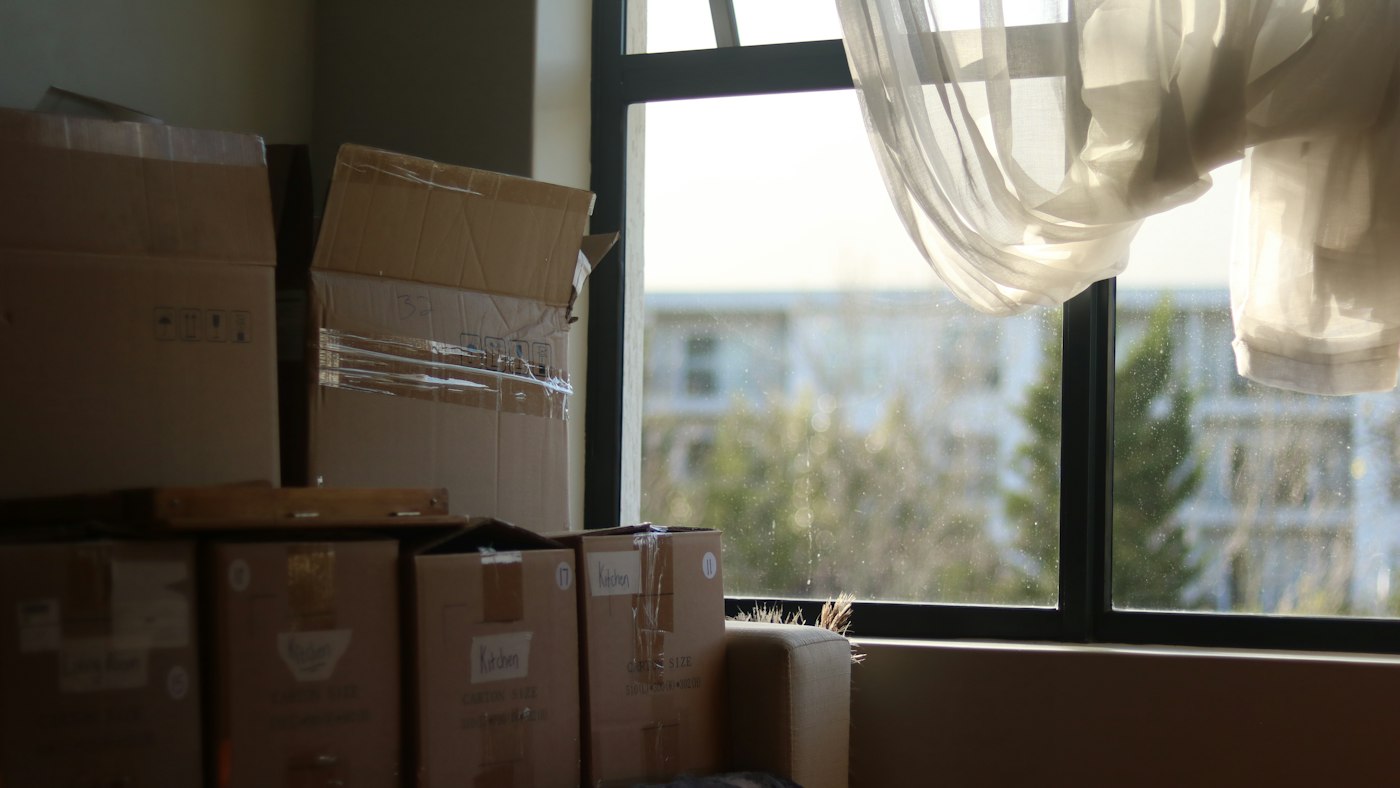
Sort before you toss. Before anything leaves the house, go through for documents, photographs, jewelry, keys, and anything with sentimental value. Look for financial papers, insurance policies, titles, and tax records, since the attorney or the personal representative may need them. Some families find important items in unexpected places, so check pockets, drawers, books, and boxes before donation or disposal. If several heirs want to choose items, set a date and a simple process.
For the rest, there are options: an estate sale company, donation pickups, consignment, a junk removal service, or a combination. Some sellers leave a few pieces of furniture so the house photographs better. Others clear it completely. If you live out of state, local vendors can do much of this with photo and video updates. Ask for references, a written scope, and insurance information. The cleanout is often the longest step, and it is fine to take it in stages.
What buyers notice in an estate home
Buyers walking into a home a parent lived in for decades tend to notice the same things: original kitchens and baths, older systems, worn flooring, smells, and maintenance that slipped in the last few years. Older Merritt Island homes can also have features that come up in inspection, such as older plumbing, electrical, roofs, or windows. None of this is unusual for an estate sale. Buyers expect it. What they want is a clear picture of condition and a price that reflects it.
Some families sell as-is. Some do light prep: a deep clean, fresh paint, repairs to obvious problems, yard work. Some do more. A pre-listing inspection can help you decide by showing what a buyer will find. Disclosure obligations apply to estate sales too, and the person signing may not know the house’s history well. If you are unsure what must be disclosed, ask a Florida real estate attorney. Honest information about what you know and do not know goes a long way with buyers.
Managing the sale from out of state
Many heirs selling a Merritt Island house live far away, and much of the process can be handled remotely. Listing paperwork can be signed electronically when the signer has authority. Title companies can often arrange remote or mail-away closings, and mobile notaries can help with documents that need notarization. Video walkthroughs and photos can keep the family informed about the cleanout, repairs, and showings.
You will still need someone local you trust. Your listing agent can coordinate vendors, meet inspectors and appraisers, check on the house, and report back. Decide in advance how you want updates and how decisions will be approved. If you plan to visit once, schedule it for the walkthrough of belongings rather than for paperwork, which can usually travel. The goal is a sale that does not require the family to put their lives on hold for months.
How Amanda handles estate sales
Amanda McKnight, Florida REALTOR® SL3511173 with Compass Florida and the Carpenter Kessel Home Selling Team, is published as top 1% in Brevard with more than $60 million sold and over 150 transactions. With families selling a parent’s home, she works at the family’s pace, keeps one clear line of communication, and coordinates the local pieces while the attorney handles authority and the estate.
If you are responsible for a parent’s Merritt Island house and do not know where to start, call 904.599.1468 or email amanda.mcknight@compass.com. Probate, tax, and insurance questions belong with licensed professionals. Keeping the house safe and getting it ready for buyers is something we can take off your list.
Sources
Quick answers
Can I sell my parent’s house before probate is finished?
It depends on how the house was titled, whether there is a trust, and what the court allows. A Florida probate attorney can tell you who has authority to sell and when.
Does the homeowners policy still cover an empty house?
Coverage may change when a house is unoccupied. Call the carrier or a licensed insurance agent right away, tell them the house is vacant, and ask what options apply.
Do I need to clean out the whole house before listing?
Not necessarily. Some families list with some furniture in place or sell as-is. Remove personal papers and valuables first, then decide with your agent how much to clear.
Can I handle the sale from another state?
Often, yes. Electronic signatures, remote closings, mobile notaries, and a local agent coordinating vendors make it possible to sell without living in Brevard during the process.
Can Amanda help with an inherited Merritt Island home?
Yes. Amanda coordinates the local work and the sale while the attorney handles authority. Call 904.599.1468 or email amanda.mcknight@compass.com.