

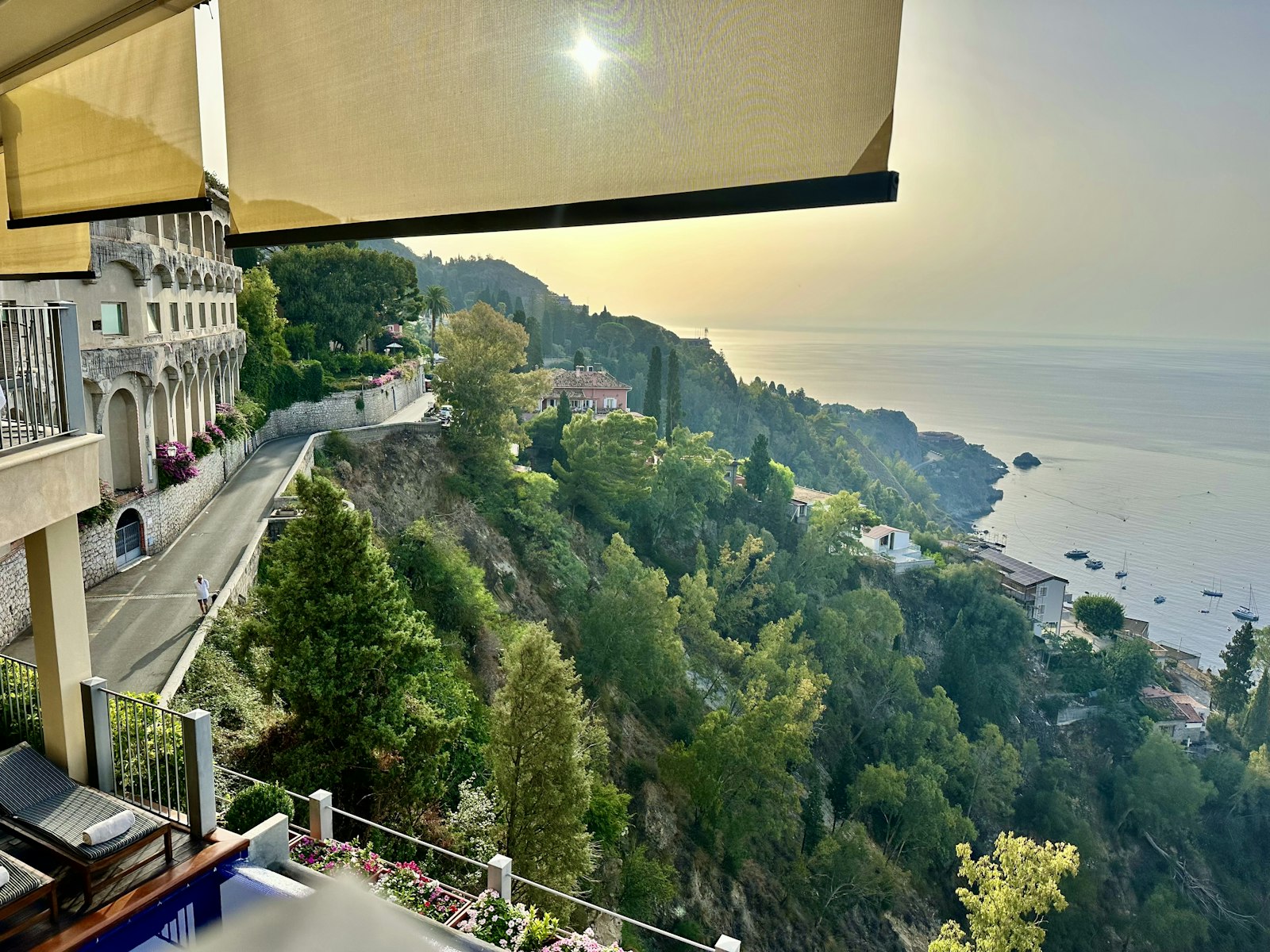
Same building, different life
Listings love to say the unit is in a building “steps from the sand,” as if every door in the stack opens on the same Saturday. It does not. Ground-floor life in Satellite Beach is sandals, a short haul from the car, patio noise, and a closer relationship with storm water and whatever the parking lot is doing at 7 a.m. Top-floor life is the horizon, fewer footsteps overhead, more stairs when the elevator is cranky, and a balcony that takes weather the lower floors only hear about. Buyers who tour one unit “just to see the building” and then offer on a different floor are guessing.
Write down how you enter the house on a normal day. Groceries, a dog, beach chairs, a guest with a bad knee, a bike. If that parade has to use stairs, the top floor is a sport. If that parade has to cross a dark lot and a loud pool deck, the ground floor is a different sport. Neither is morally superior. They are different monthly lives, and they attract different buyers when you sell.
Elevation and the flood conversation
Flood zone is a building and site conversation first, and then it gets personal. Lowest floors are where water shows up if it shows up: patio sliders, storage rooms people quietly converted, and mechanical equipment that someone set on the slab because it was convenient. Upper floors are not magically outside every insurance or lending question, because the building, the ground, and the association’s master policy still exist. What changes is what you live with and what a carrier asks about your unit. Get the flood determination and an elevation discussion from people licensed to have it. The FEMA Flood Map Service Center is the public map. It is not your quote and not a structural opinion.
Brevard County’s flood information pages are the local companion to the federal map. Use them to ask better questions, then hand the address to a licensed insurance agent and, if the building’s papers are confusing, to the association manager for the documents they are allowed to share. Do not let a seller translate a zone into “you will not need flood insurance” or “you definitely will.” Lenders, agencies, and carriers make those calls for the loan and the policy in front of them. Amanda will not improvise that sentence for you.
- Pull the flood map for the building, then ask what it means for the unit.
- Look at where HVAC and water heaters sit, not only at the view.
- Ask a licensed insurance agent for quotes on the specific unit.
- Read the association’s master policy summary with someone who does that work.
Noise is a floor plan
Ground floors hear the parking lot, the pool gate, the trash run, A1A if the building faces it, and every person who does not realize their voice carries at 6 a.m. Top floors hear wind, the elevator machinery if you drew the short straw next to it, and occasional parties that have nowhere to go but up. Mid-floors, if you are comparing those too, hear neighbors on both sides of the ceiling. Spend twenty minutes in the unit with the sliders open and twenty with them shut. Visit when the pool is busy if the pool is outside your window.
Impact windows change the story and do not end it. A new package on a ground-floor unit facing the dumpster is still a ground-floor unit facing the dumpster. Furnishings and house rules can lower the volume. They cannot move the pool. If you sleep early or work nights, the floor is part of the bedroom. Tour at the hour you sleep, not only at the hour the agent is free.
Elevators, stairs, and the day the lift is down
A top-floor walk-up is a commitment. Count the flights with the actual groceries you buy, not with an empty tote. A building with an elevator feels like a solution until the elevator is in service, or until you read what the association spends to keep it that way. This is not a reserves lecture. It is a daily-life lecture: if the elevator is the only dignified way to your door, you need a plan for the week it stops. Stairs with a stroller, a dog, or a recovering knee are the plan, and some people will not accept it.
Ground-floor units skip that drama and collect a different one. Patios are easier to reach and easier for other people to look into. Deliveries get dropped at your slider because you are convenient. Ask how packages and guests actually arrive. If you wanted privacy and bought the floor that functions as the building’s lobby, you will feel it in the first month. Window coverings are not a personality. They are the architecture.
Insurance differences are quotes, not folklore
People repeat folklore: ground floors always cost more to insure, top floors always cost more because of wind, top floors are “safer,” ground floors are “uninsurable.” Refuse the proverb. Buildings on the beachside share a master policy, a wind conversation, and a flood conversation that a unit owner then supplements with an HO-6 or whatever policy their lender and their risk actually require. The unit’s floor can change underwriting details. It does not let you borrow a neighbor’s premium. A licensed insurance agent quotes the unit. The Florida market changes. Last year’s anecdote is not this year’s binder.
Ask the agent what documents they need: elevation information, roof age for the building, wind-mitigation features, the flood zone, and the association’s insurance certificate. Gather those early. A top-floor view does not speed up a carrier. Neither does a patio. If a quote comes back ugly, that number belongs in the offer, not in a hope that a different agent will “find something.” Amanda coordinates the timing. She does not sell the policy and she will not tell you which coverage to buy.
Resale is a smaller crowd than you think
Floor level filters buyers before they ever see your sofa. Some people will not live on the ground because of privacy or flood worry. Some will not live on the top because of stairs, elevator dependence, or a fear of height they will not admit on the tour. When you sell, you are not talking to “the Satellite Beach market.” You are talking to the people for whom that floor is a feature. Price and time follow the size of that group. Do not invent a statistic for it. Look at who actually asked to see comparable floors the last time something in the building sold, and ask your agent for that story with real files, not a vibe.
A spectacular top-floor view can be worth real money to the right buyer and irrelevant to the buyer who wanted a patio for the dog. A ground-floor patio can be the whole point for someone who has sworn off elevators. Buy the floor you can live in and that a plausible next owner can live in too. If you already know you will need to sell in three years to someone with a specific mobility need, do not buy the floor that person cannot use. That is not a market forecast. It is a floor plan.
Tour both, at the hours that matter
See a lower unit and an upper unit in the same weekend if the building has both and you are genuinely undecided. Open the sliders. Walk from the parking space, not from the lobby where the agent parked you. Listen. Ask where the mechanical equipment is. Look at storage: ground-floor cages flood in people’s stories, upper-floor closets are a hike. Confirm what the association allows on the patio or balcony so you do not plan a life the rules forbid. Those rules are documents, not a blog.
Storm season is part of the tour even when the sky is blue. Ask about prior water intrusion in the unit and the building, and then verify what you can in records and inspections. A seller’s memory is not a claim history. Your inspector looks at the unit. The association’s papers speak to the building. Keep those jobs separate so a pretty balcony does not talk you out of reading.
Pick the annoyances on purpose
Amanda McKnight, Florida REALTOR® SL3511173 with Compass and the Carpenter Kessel Home Selling Team, is published as top 1% in Brevard with more than $60 million sold and over 150 transactions. She will make you walk the floor you are buying, from the car to the slider, and she will send you to a licensed insurance agent before the view closes the sale.
If you are torn between a Satellite Beach ground floor and a top floor, call 904.599.1468 or email amanda.mcknight@compass.com. Bring the stairs you will climb and the quiet you need. The right floor is the one whose problems you have already met.
Sources
Quick answers
Does a higher floor mean I can skip flood insurance questions?
No. The building, the loan, and the policy still drive that conversation. Floor level can change the details. Only a flood determination and a licensed insurance agent can tell you what applies to the unit.
Are ground-floor condos always harder to resell?
No. They appeal to buyers who want a patio and no stairs, and they lose buyers who want height and privacy. Top floors do the reverse. The next buyer pool is a fit question, not a universal discount.
What should I listen for on a tour?
Pool and parking-lot noise on lower floors, wind and elevator equipment on upper floors, and footsteps if someone lives above you. Visit at a busy hour and at a quiet one.
Who quotes the insurance difference between floors?
A licensed insurance agent, using the unit and building documents. Do not use a neighbor’s premium or a rule of thumb from a tour.
Can Amanda compare two floors in the same building?
Yes. Call 904.599.1468 or email amanda.mcknight@compass.com. She will compare daily life and resale fit, and she will hand insurance and engineering questions to licensed professionals.