

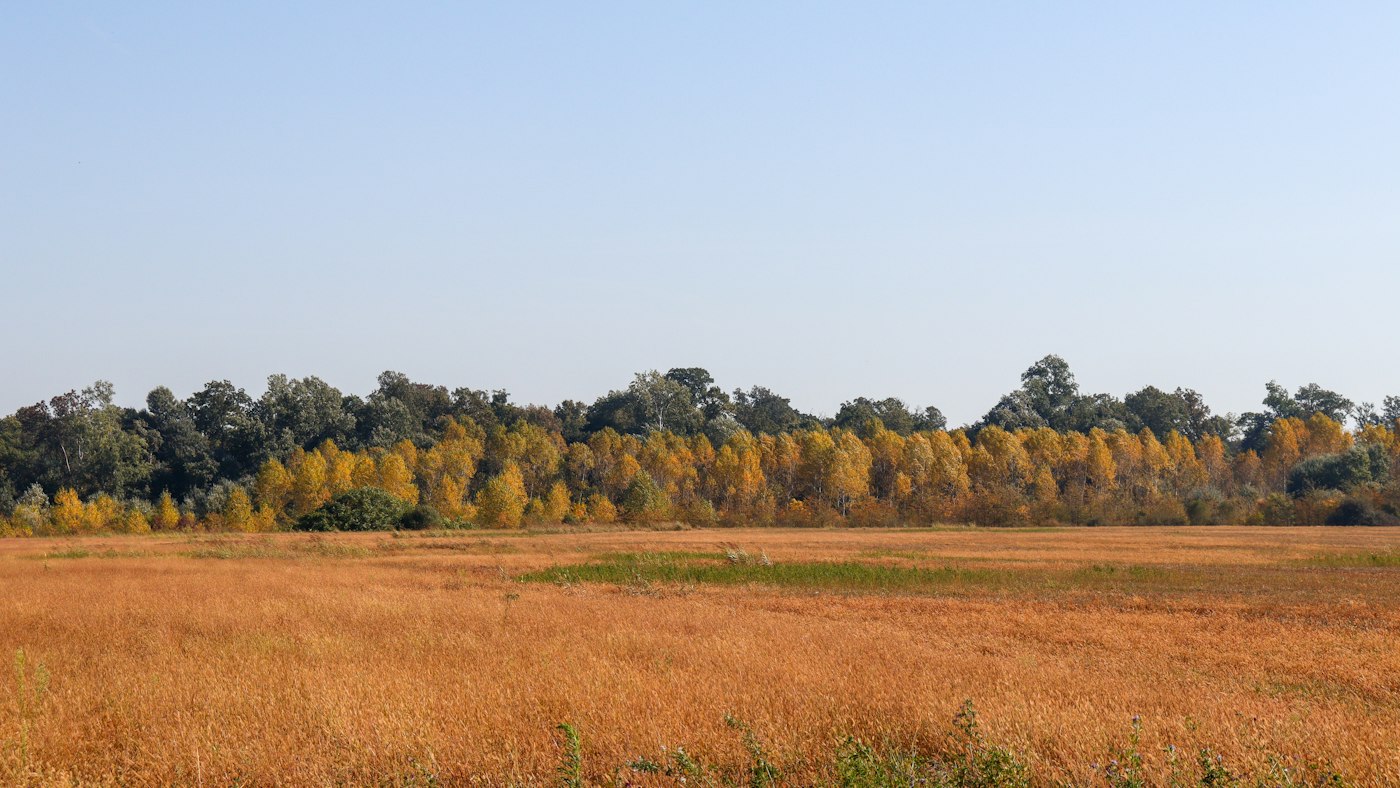
Land is a list of questions
Raw acreage near Lake Washington draws buyers who want space, privacy, and the chance to build exactly the house they have in mind. The listing photos show grass and trees. They do not show the zoning line, the drainage path across the back third, the easement for the power line, or how far the nearest water main sits from the road. A house on vacant land is built on all of those, and each one can change the cost, the timeline, or whether the plan works at all.
Write the questions down before you tour. Zoning and land use. Legal access. Survey and easements. Soil and wetlands. Flood zone and required elevation. Electric service. Water source. Wastewater. Building permit path. Then sort them into what you can check now in public records and what needs a professional during the contract. That list is the difference between buying land and buying a project you did not plan for.
Zoning, land use, and who has jurisdiction
Start with jurisdiction. Land around Lake Washington may be in unincorporated Brevard County or inside a nearby city, and the rules, the permit office, and the utilities can be different depending on which side of a line the parcel sits. The Brevard County Property Appraiser record will show the parcel, its size, and its current use. Then confirm the zoning classification and future land use designation with the planning office that has jurisdiction.
Zoning tells you what can be built, how big the lot has to be, where the house can sit relative to the property lines, and what accessory uses are allowed. Future land use tells you what the long-range plan expects for the area. If the parcel needs a rezoning, a variance, or a lot split to support your plan, that is a separate public process with its own timeline and no guaranteed outcome. Ask before you write the offer, and ask again in writing during due diligence.
Survey, access, and easements
A current boundary survey by a Florida-licensed surveyor and mapper is the foundation of a land purchase. It shows where the lines actually are, what easements cross the parcel, and whether anything from a neighbor sits on your side. Ask the title company for a title commitment early and give it to the surveyor, so recorded easements and restrictions can be located on the ground. A drainage easement or a utility corridor through the middle of a parcel can move your house site.
Access is its own question. Does the parcel front a public road, or does it reach the road through a private easement or a shared drive? Who maintains that drive? Is the access recorded? Lenders, insurers, and future buyers will ask. If a culvert or driveway connection to a county road is needed, ask what review it requires. A parcel with clear, recorded access is a different asset from one that relies on a handshake with the neighbor.
- Order a boundary survey from a Florida-licensed surveyor.
- Get the title commitment early and share it with the surveyor.
- Confirm recorded legal access to a public road.
- Locate easements that could limit where the house goes.
Soil, wetlands, and protected species
What is under the grass matters. The USDA Web Soil Survey gives a free first look at mapped soil types, drainage classes, and how high the water table tends to sit in an area. It is a starting point, not a site evaluation. For a new house, a geotechnical engineer can test the soil where the foundation will go, and the results can affect the foundation design and how much fill the lot needs. Soil conditions also matter for a septic system, which is reviewed separately.
Low spots, standing water, and certain plants can signal wetlands. Work in or near wetlands may need review by Brevard County and the St. Johns River Water Management District, and some areas cannot be built on at all. Florida also protects certain wildlife, including gopher tortoises, and the Florida Fish and Wildlife Conservation Commission requires surveys and permits before land with burrows is cleared. Ask about these during due diligence, not after the bulldozer arrives.
Flood zone and how high the house sits
For new construction, the flood map is not just an insurance question. It affects the design. Look up the parcel on the FEMA Flood Map Service Center and the Brevard County flood zone information pages. If the site is in a mapped special flood hazard area, floodplain rules set a minimum elevation for the lowest floor, and local rules can be stricter than federal minimums. Even outside a mapped zone, a lot that holds water after heavy rain may need fill and grading to keep the house dry.
An engineer or surveyor can tell you the existing ground elevation and what the finished floor will need to be. That number drives fill, driveway slope, stem wall height, and cost. Ask the county about requirements for elevation certificates during permitting. Flood insurance is a separate question for a licensed insurance agent, and the answer depends on the final design and elevation. Lake Washington after a summer storm is a useful guide to the drainage conversation on existing acreage. For raw land, start the elevation conversation before closing.
Power, water, wastewater, and internet
Utilities on vacant land are not assumed. Ask the electric utility that serves the area how far the nearest service is and what it takes to bring power to the house site. Find out whether public water is available at the road or whether you will need a private well. Wastewater is the same question: is there a sewer connection, or will the house need a septic system? For a new septic system, the Florida Department of Health in Brevard reviews the application and site conditions before a permit is issued, and soil and water table conditions matter.
Internet and cell service can vary on acreage, and they are worth checking before you commit if you work from home. The Lake Washington internet and cell service guide covers how to test a specific lot. Get written answers or estimates from each provider during the contract period. A parcel that needs a long power run, a new well, a septic system, and a new driveway has a different budget from one with utilities at the road.
The Brevard County building permit path
For a new house in unincorporated Brevard County, the building permit process runs through the county’s Planning and Development and building permit offices. Expect a site plan showing the house, setbacks, driveway, drainage, and utilities, construction plans prepared to the Florida Building Code, and reviews by the departments that apply to your site. Approvals for septic, wells, environmental review, and driveway connections may each have their own path. When the house is built, inspections follow the construction stages through a final inspection and a certificate of occupancy.
If the parcel sits inside a city, the city’s building department handles the permit instead. Either way, ask early what the complete submittal includes and who reviews it. A builder who works regularly in Brevard can walk you through the sequence. Plans should come from a licensed design professional or a licensed contractor who prepares them, and you can look up any contractor’s license on the Florida DBPR portal before you sign.
Due diligence before closing
Write a land contract that gives you time and the right to walk away if the answers do not support your plan. Use that period for the survey, the title commitment, soil and septic questions, flood elevation, utility answers, and a conversation with the planning office. Land loans and construction loans work differently from regular mortgages, so talk with a lender early about down payment, timelines, and what the lender will require before funding.
Amanda McKnight, Florida REALTOR® SL3511173 with Compass Florida and the Carpenter Kessel Home Selling Team, is published as top 1% in Brevard with more than $60 million sold and over 150 transactions. On Lake Washington land she builds the question list with the buyer before the offer and lines up the surveyor, the builder conversations, and the county questions during the contract. Call 904.599.1468 or email amanda.mcknight@compass.com. Engineering, legal, and permitting decisions belong to licensed professionals and the county.
Sources
Quick answers
What should I check first on vacant land near Lake Washington?
Jurisdiction and zoning, legal access, and whether the parcel is in a mapped flood zone. Those three can change whether and how you can build before you spend money on design.
Do I need a survey to buy land?
A current boundary survey by a Florida-licensed surveyor is strongly recommended. It shows lines, easements, and encroachments, and lenders and the county will often need survey information.
How do I know how high the new house must sit?
Check the FEMA flood map and Brevard County flood information, then ask an engineer or surveyor for existing elevations. The county sets the requirements during permitting.
Who approves a new septic system?
The Florida Department of Health in Brevard reviews new onsite sewage system applications. Soil and water table conditions on the specific site matter to that review.
Can Amanda help me evaluate a land parcel?
Yes. Amanda helps buyers organize due diligence and connect with surveyors, builders, and the county. Call 904.599.1468 or email amanda.mcknight@compass.com.