

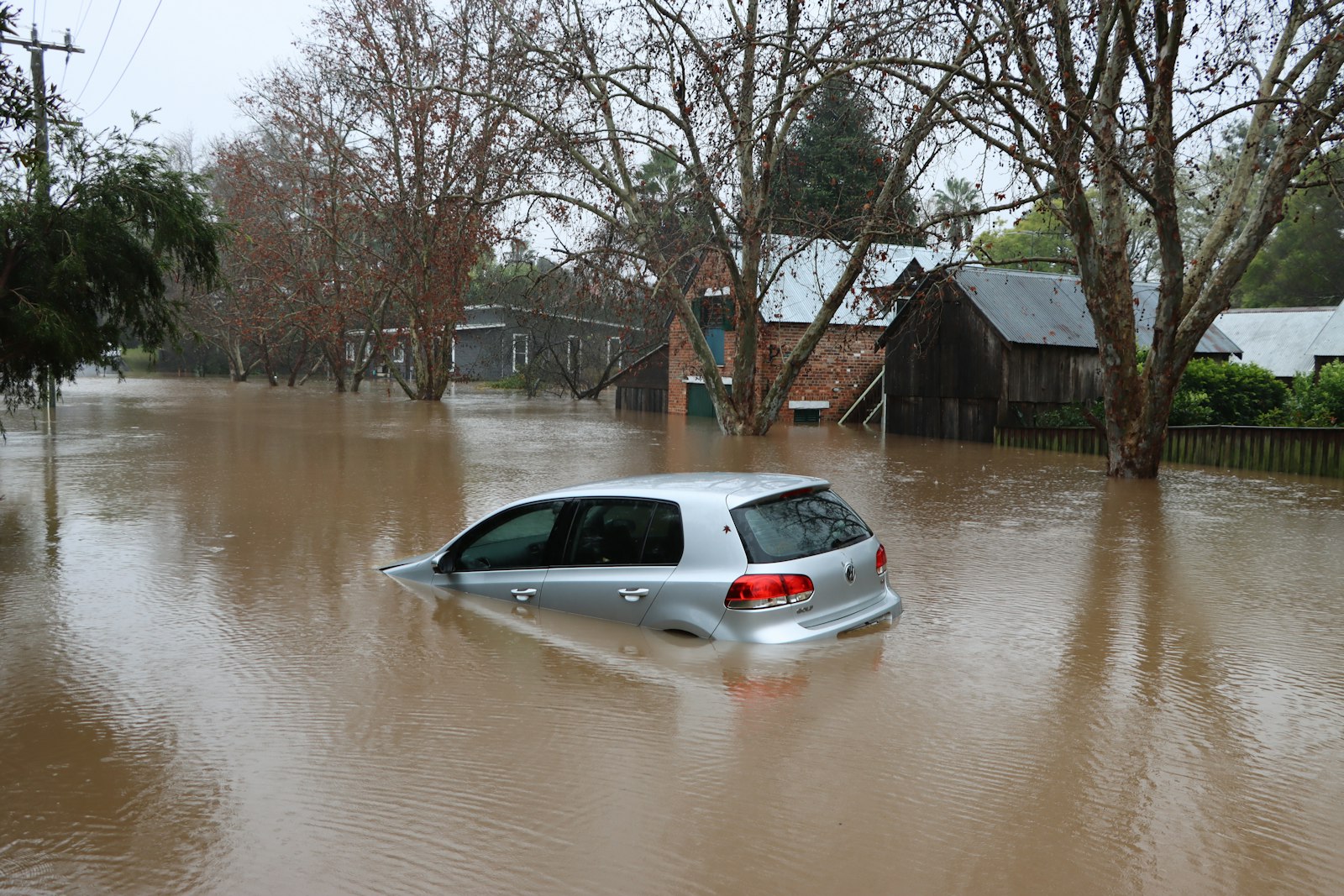
Go while the water is still there
Lake Washington acreage looks dry and obvious on a listing day in April. Summer storms drop a lot of water on flat ground in a short time, and the lot either sheds it toward a ditch, a pond, or the lake system, or it holds it. The useful tour is the day after a heavy rain, or the same afternoon if the road is still safe to drive. You are looking at access and drainage, not at a mood. If you only visit in a drought, you are buying a different picture than August.
National Weather Service Melbourne is the forecast office for this part of Florida. Use it to know when a real rain happened. Do not treat a passing shower as a test, and do not treat one storm as a fifty-year design. One storm shows you the path water prefers on that dirt. A surveyor and the county can talk about elevations and permitted drainage. You, with boots, can see whether the path runs through the driveway.
The driveway is the first system
Rural driveways fail at the pipe. A culvert under the apron, where the drive crosses a ditch, is what keeps the roadside swale connected. If the pipe is crushed, clogged, set too high, or missing, the ditch becomes a pond at your entrance and the road wash has nowhere to go except over the drive or into the neighbor. Stand at the road and see whether water is moving through the pipe or stacking on one side. Look at the ends for separated joints and for erosion that has started to eat the fill around the pipe.
The surface matters after the pipe. Shell, dirt, and millings rut when they are saturated. Concrete and asphalt can still sit in a low spot and hold a sheet of water you will track into the house. If a delivery truck or a horse trailer is part of your life, imagine it on that drive while the ruts are full. The shops, RVs, and horses guide is where permitted uses live. This guide stops at whether you can get to the building after rain. A beautiful shop you cannot reach for two days is a drainage fact, not a zoning fact.
- Find the culvert and see whether water moves through it.
- Note rut depth and whether a car scrapes or bottoms.
- Watch the road edge for washouts where the drive meets the pavement or the graded road.
- Photograph both ends of the pipe while water is present.
Standing water is a location, not a label
Write down where water is standing three hours after the rain, and again the next morning if you can. A shallow sheet on a pasture that is gone by lunch is different from a pool against the stem wall, under the air conditioner pad, or in the only place a car can turn around. Water that sits in the same saucer every storm is telling you the grade. Water that appears once next to a clogged inlet might be maintenance. You will not know which from a single photo a seller texts you in the dry season.
Do not call it a flood zone because you saw a puddle. Flood Insurance Rate Maps are published through FEMA, and a zone is a map determination, not an impression from the yard. Lenders and insurers use those maps and, when they need it, an elevation certificate from a surveyor. Ask them. Also do not ignore the puddle because a map says you are fine. A map can say one thing and a slab can still sit in water because the lot was graded toward the house. Both facts can be true. Fix the sentence so you are not using one to erase the other.
Ditches, swales, and the neighbor grade
Acreage drains as a chain. A swale on your parcel may exist to carry water from a road or from the lot behind you toward a larger ditch or canal. Blocking it with a fence footer, a new pad, or a load of fill feels like landscaping and acts like a dam. Brevard County stormwater program exists because runoff and the structures that carry it are a county-scale problem, including in areas built before modern treatment rules. St. Johns River Water Management District lists flood protection among its missions in Brevard and publishes information on the Upper St. Johns basin works. Neither agency is a substitute for looking at the ditch on this parcel.
See whether the neighbor dirt is higher and shedding onto you, or whether you are the high side shedding onto them. A friendly story about “we all drain to the lake” needs a direction you can point at. If you plan to add fill, a shop pad, or a new drive, ask the county what that does to drainage before you hire the truck. The permit question for buildings and animals is the other Lake Washington guide. The water has to have a path either way. Filling a swale because it looks messy is how the next storm moves into the barn.
The road is part of the property you think you bought
Some Lake Washington roads are county-maintained and some are not, and a storm makes the difference obvious. A graded road with standing water, a soft shoulder, or a ditch that has eaten the edge is an access problem even when the house is dry. Ask the county whether the road in front of the parcel is maintained by them, and ask what that maintenance does and does not include. Do not assume a mailbox means the road will be scraped after a washout on your schedule.
If the road is private, the recording and any maintenance agreement are part of what you are buying. Read them with a Florida real estate attorney if the language is unclear. Operationally, drive it after rain and see who would bring a grader. A boat, a horse trailer, or a propane truck all need that road. Pretty acreage with a road you will not put a family car on in August is a smaller property than the acreage number suggests. This is not a title opinion. It is a reason to ask the title and road questions while your shoes are still wet.
What a storm does not inspect
Standing water near a drain field is a reason to open the well-and-septic guide and hire the appropriate inspector. It is not, by itself, a failed septic system, and a dry day is not a passed one. Wells, water tests, and drain-field setbacks are that other article. Do not let a drainage walk turn into amateur septic advice, and do not skip the puddle that sits exactly where the tank is because you planned to “do septic later.”
A storm also does not inventory outbuildings, RV pads, or horses. Those uses depend on zoning and permits. Water in a shed tells you the slab or the grade is low. It does not tell you the shed was allowed. Keep the files separate so a soaked floor does not distract you from an unpermitted structure, and an unpermitted structure does not distract you from a driveway you cannot use. Insurance questions about water damage belong with a licensed agent after you can describe what actually got wet.
What to record and who to call
Photograph the culvert, the ditch line, the road edge, and any water against the house, with the date. A short video of water moving, or not moving, is better than a still puddle with no context. Note how many hours after the rain you shot it. Sellers should do this honestly rather than pressure-washing the apron and hoping you tour on a dry Thursday. Buyers should ask to return after the next heavy rain if the contract calendar allows. If it does not, you are accepting dry-season information. Say that out loud.
Call Brevard stormwater or the appropriate county office when the question is a blocked public ditch, a road washout, or what a permit would require for new drainage work. Call a surveyor when you need elevations. Call a licensed insurance agent if water has been inside finished space and you need to know what a policy does. Call Amanda when you need the next house to be one you have seen in the rain, not only in a drone photo. Nobody in that list can promise the next storm will behave like the last one.
How this gets handled with a local advisor
Amanda McKnight, Florida REALTOR SL3511173 with Compass Florida and the Carpenter Kessel Home Selling Team, is published as top 1% in Brevard with more than $60 million sold and over 150 transactions. She would rather reschedule a Lake Washington tour for the day after a summer storm than sell a driveway nobody has seen wet. Septic and well stay on their guide. Shops and animals stay on theirs. This visit is ditches, pipes, and access.
If you are shopping acreage and you want a rainy-day look built into the tour, call 904.599.1468 or email amanda.mcknight@compass.com. Tell her the last storm you can get to the property after. We will not call a pond in the driveway “just Florida.”
Sources
Quick answers
Does standing water mean the lot is in a flood zone?
No. A puddle shows you grade and drainage. A flood zone is a FEMA map determination. Use the Flood Map Service Center and, when a lender or insurer requires it, an elevation certificate from a surveyor. Do not ignore standing water against the house just because a map looks favorable.
What should I check at the driveway?
The culvert or pipe under the drive, whether water moves through it, rutting, and the edge where the drive meets the road. Photograph it while the water is still there.
Is this the same issue as well and septic?
No. Wells, water tests, and drain fields are the well-and-septic guide. If storm water sits on the drain field, use that as a reason to order the proper inspection, not as a result by itself.
Who maintains the road after a washout?
Ask Brevard County whether that road is county-maintained. If it is private, read the recorded maintenance agreement and have a Florida real estate attorney explain anything unclear. A storm is a good time to see the practical answer.
Can Amanda tell me if a lot drains well enough to build?
She can get you there after a rain and point you to the county and a surveyor. Drainage design and permits are not a REALTOR determination. Call 904.599.1468 or email amanda.mcknight@compass.com.